
Restoring memory and attention after a stroke
neuropsychologist after stroke · cognitive rehabilitation · memory recovery · attention training after stroke
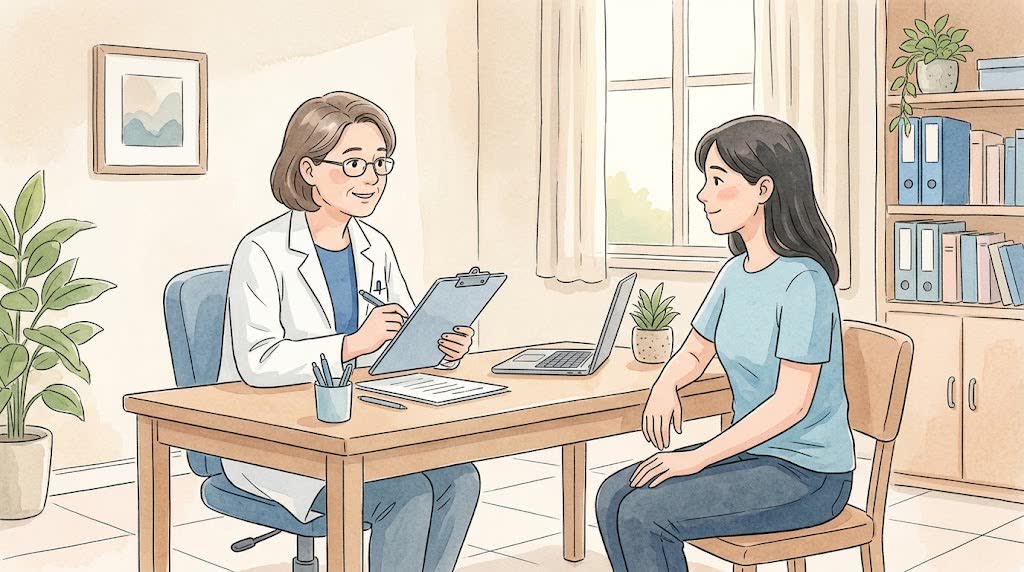
A specialist checks your memory, attention and thinking, then works with you on exercises that help restore them. They teach you how to cope with difficulties in daily life.
After a stroke or head injury, if it has become hard to remember, concentrate or plan things.
⏱ Duration: a session usually takes 45 to 60 minutes, a course takes weeks and months
Be sure to tell your doctor
How to prepare
- Sleep. Sleep well the day before - tiredness makes results worse.
- Glasses. Bring your glasses and hearing aid, if you use them.
- Close person. It is good if a close person comes: they can tell what they have noticed at home.
What to bring
- Discharge summaries after the stroke
- Glasses, a hearing aid
- A list of your medicines
- A notebook for tasks
How it goes
- The specialist asks you and your close ones questions
- Gives tasks: remember words, find shapes, solve simple problems
- Makes a plan of sessions from the results
- In sessions you train memory and attention
- You are taught to use cues: lists, alarms, a calendar
- You are given tasks to do at home
What you'll feel
- The tasks can be hard and tiring - take breaks
- It can be frustrating when something does not work - this is normal
Afterwards
- Do the homework a little every day
- Keep a regular routine of sleep and rest
- Use lists and reminders - there is no shame in it
Contact a doctor straight away if
- Sudden weakness in an arm or leg, a drooping face or trouble speaking - call your local emergency number
- A sudden worsening of memory or confusion - call your doctor
Common questions
Will memory recover after a stroke?
Often it recovers partly or noticeably, especially in the first months. Regular sessions help.
Do crosswords help?
A little. But sessions planned by a specialist work better.